
Introduction
Proper maintenance is the foundation of reliable mining equipment operation. This guide provides practical maintenance procedures and best practices for jaw crusher maintenance schedule — daily, weekly, monthly in. Following these recommendations will extend equipment service life, reduce unplanned downtime, and lower overall operating costs.
Preventive Maintenance Schedule
A structured preventive maintenance program is essential for maximizing equipment availability. Daily inspections should include visual checks of key components, monitoring of operating parameters (temperature, pressure, vibration), and verification of lubrication systems. Weekly maintenance typically includes more detailed inspections, sample collection for oil analysis, and minor adjustments. Monthly and quarterly maintenance involve scheduled replacement of wear-prone components and comprehensive system checks.
Critical Inspection Points
Wear Components: Regular measurement of wear part thickness and profile helps predict replacement intervals and prevents catastrophic failure. Maintain records of wear rates to optimize replacement scheduling and identify abnormal wear patterns that may indicate alignment or operating issues.
Lubrication System: Proper lubrication is critical for bearing and gear life. Follow manufacturer recommendations for lubricant type, viscosity, and change intervals. Implement oil analysis programs to detect contamination, wear metals, and lubricant degradation before failure occurs.
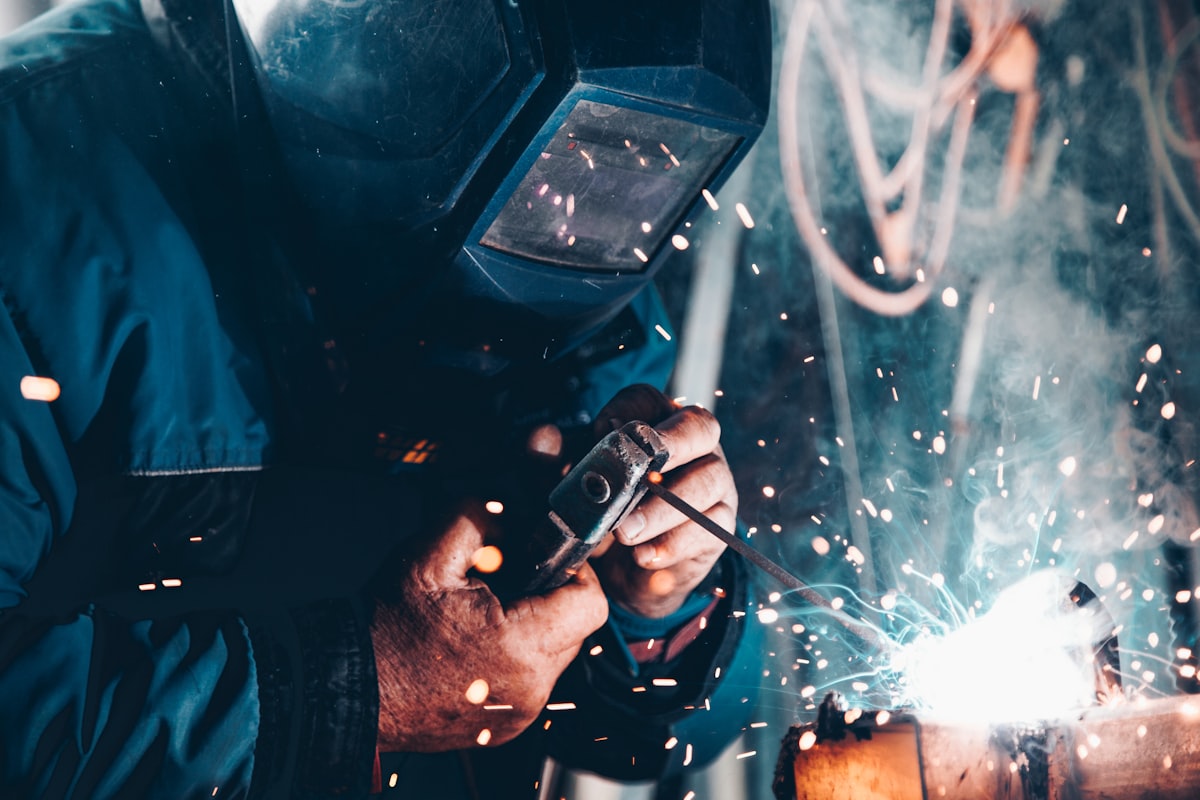
Structural Integrity: Regular inspection of frames, foundations, and support structures for cracks, corrosion, or deformation. Pay special attention to weld joints, bolted connections, and areas subject to dynamic loads.
Troubleshooting Common Issues
Early detection of developing problems prevents major failures. Monitor key performance indicators including power draw, production rate, product quality, and vibration levels. Sudden changes in these parameters often indicate developing issues that require investigation. Common problems include: abnormal noise or vibration indicating bearing or gear damage; reduced throughput suggesting wear part replacement is needed; and product quality changes indicating incorrect operating parameters.
Safety During Maintenance
Always follow lock-out/tag-out procedures before performing maintenance. Ensure adequate ventilation when working in confined spaces. Use appropriate personal protective equipment including hard hats, safety glasses, steel-toed boots, and hearing protection. For major maintenance activities, develop detailed job safety analyses and conduct pre-work safety briefings.
Record Keeping
Maintain detailed maintenance records including inspection findings, replacement parts used, labor hours, and operating hours between interventions. This data enables trend analysis, improves spare parts planning, and supports continuous improvement of maintenance strategies. Modern computerized maintenance management systems (CMMS) facilitate effective record keeping and maintenance planning.